

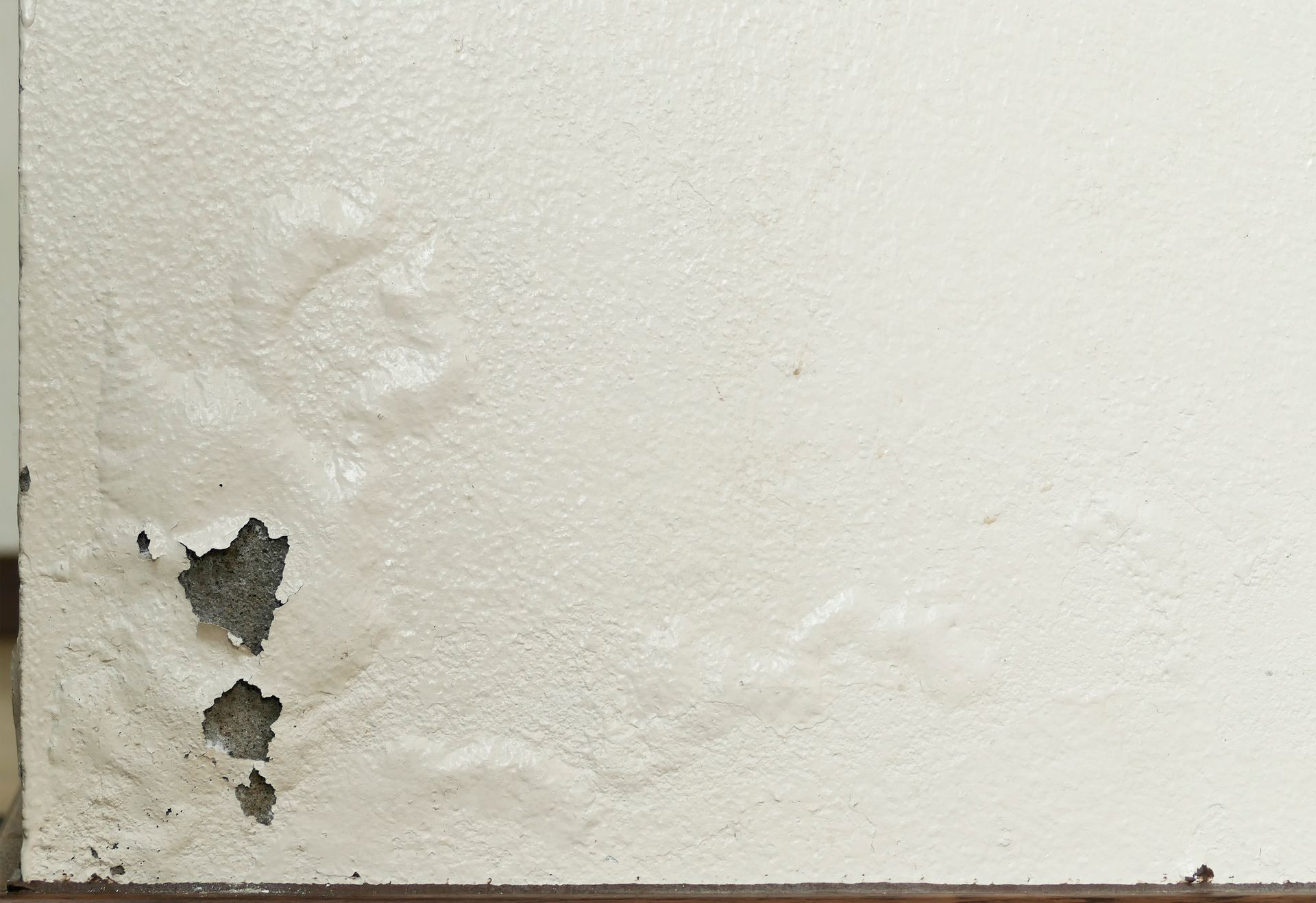
Water damage rarely stays where you can see it. Why DIY water damage cleanup costs more comes down to one simple fact: moisture travels into walls, subfloors, and insulation long before it shows up as a stain on your ceiling. By the time a homeowner mops up a puddle and calls it done, the real damage is often just getting started behind the drywall.
The Hidden Water You Cannot See
A wet floor is the visible part of a much bigger problem. Water follows gravity and capillary action, which means it wicks upward into baseboards, drywall, and subflooring, and travels sideways along joists long after the surface looks dry. A homeowner with a shop vac and a fan can dry the top layer of carpet in an afternoon while the plywood underneath, or the insulation inside an exterior wall, stays wet for days.
That gap between "looks dry" and "is dry" is exactly where the cost of DIY cleanup grows. Materials that stay damp continue to weaken. Drywall loses structural integrity, wood subfloors swell and warp, and the wall cavity becomes a closed, humid space with no airflow to help it dry on its own.
Why Mould Moves Faster Than You Think
Health Canada's guidance on mould in the home is direct on timing: mould can begin to establish itself within 48 hours of a surface staying wet, and the recommended response is to fix the source of the moisture and dry wet surfaces within that same 48-hour window. Once mould takes hold inside a wall cavity or under flooring, a surface-level cleanup will not reach it, because the moisture source and the growth are hidden from view.
Health Canada also states that it recommends diligently repairing water damage in homes to prevent mould growth, and thoroughly cleaning any mould that is visible or concealed, regardless of the type of mould present. A DIY cleanup that stops at the visible water misses the "concealed" half of that instruction entirely. That is the core problem with doing this yourself: you cannot fix what you cannot see, and household tools are not built to find it.
Why Documentation Matters After Water Damage
Documentation is the part of water damage cleanup that is easiest to skip and hardest to recreate. Once carpet is pulled up, drywall is patched, or a room is repainted, there is no longer physical evidence of how far the water travelled or how wet the materials were.
That record matters when you make a claim. Photographs of wet insulation, moisture readings from inside the wall cavity, and a written report showing the extent and timing of the damage give your insurer a clear picture of what happened. Without it, damage that surfaces weeks later can be harder to connect back to the original event.
Coverage and requirements vary between policies and providers, so contact your insurer before starting significant repair work and ask what documentation they need. A restoration company builds that record as part of the job.
Common DIY Water Damage Cleanup Mistakes
- Stopping at the visible water. Drying the surface while leaving the subfloor, insulation, or wall cavity wet.
- Using household fans alone. Air movement helps evaporation but does not pull moisture out of building materials the way commercial dehumidifiers and air movers do.
- Skipping moisture readings. Without a moisture meter, there is no way to confirm a wall or subfloor has actually returned to a safe, dry level.
- Repainting or resurfacing too soon. Sealing a damp surface traps moisture inside instead of letting it finish drying.
- Treating all water the same. Clean supply-line water, grey water from appliances, and contaminated sewer backup water each require different handling, and mishandling contaminated water is a genuine health risk.
When to Call a Water Damage Restoration Company
Call a professional whenever water has been in contact with drywall, subflooring, or insulation for more than a few hours, whenever the source involves a sewer backup or grey water, or whenever more than a small, isolated area is affected. A restoration company brings moisture meters, thermal imaging, and industrial drying equipment that confirm materials are dry all the way through, not just on the surface, along with the documentation your insurer will want to see.
What Restoration Actually Costs, and Saves
Water damage restoration cost in Canada varies with the size of the affected area and how long the water sat before cleanup began, which is exactly why speed and thoroughness matter more than doing it yourself to save money upfront. A contained, quickly addressed loss is a smaller job. A loss where hidden moisture was missed for weeks often means removing and replacing materials that could otherwise have been dried and saved, which is a larger job with a larger price tag attached.
Paul Davis is ready with our Emergency Response Promise: we will contact you within 30 minutes of your call, we are onsite within hours, we document your process thoroughly, and we serve you with empathy and concern for your situation. Call 1-800-661-5975 or find your local Paul Davis, with 65+ locations across Canada.
Frequently Asked Questions
How do I know if water damage has spread behind my walls?
Look for a musty smell, baseboards that feel soft or discoloured, or paint that bubbles days after the area looked dry. These are signs moisture is still trapped inside the wall cavity, and a moisture meter is the only reliable way to confirm it.
Can I dry out water damage myself with fans and a dehumidifier?
Household fans and dehumidifiers can help with surface moisture in a small, contained area, but they rarely reach moisture trapped inside drywall, subflooring, or insulation, which is where hidden damage and mould risk build up.
Will my insurance company pay if I already cleaned up the damage myself?
It depends on whether the damage was documented before repairs began. Photograph everything, keep any removed materials if possible, and contact your insurer before doing significant repair work.
Is grey water or sewer backup water safe to clean up myself?
No. Contaminated water carries health risks that clean water does not, and it requires professional handling and disposal rather than household cleanup.
How fast does mould actually grow after water damage?
Health Canada notes that mould can begin to establish within 48 hours of a surface staying wet, which is why fixing the moisture source and drying the area quickly matters more than waiting to see if it dries on its own.
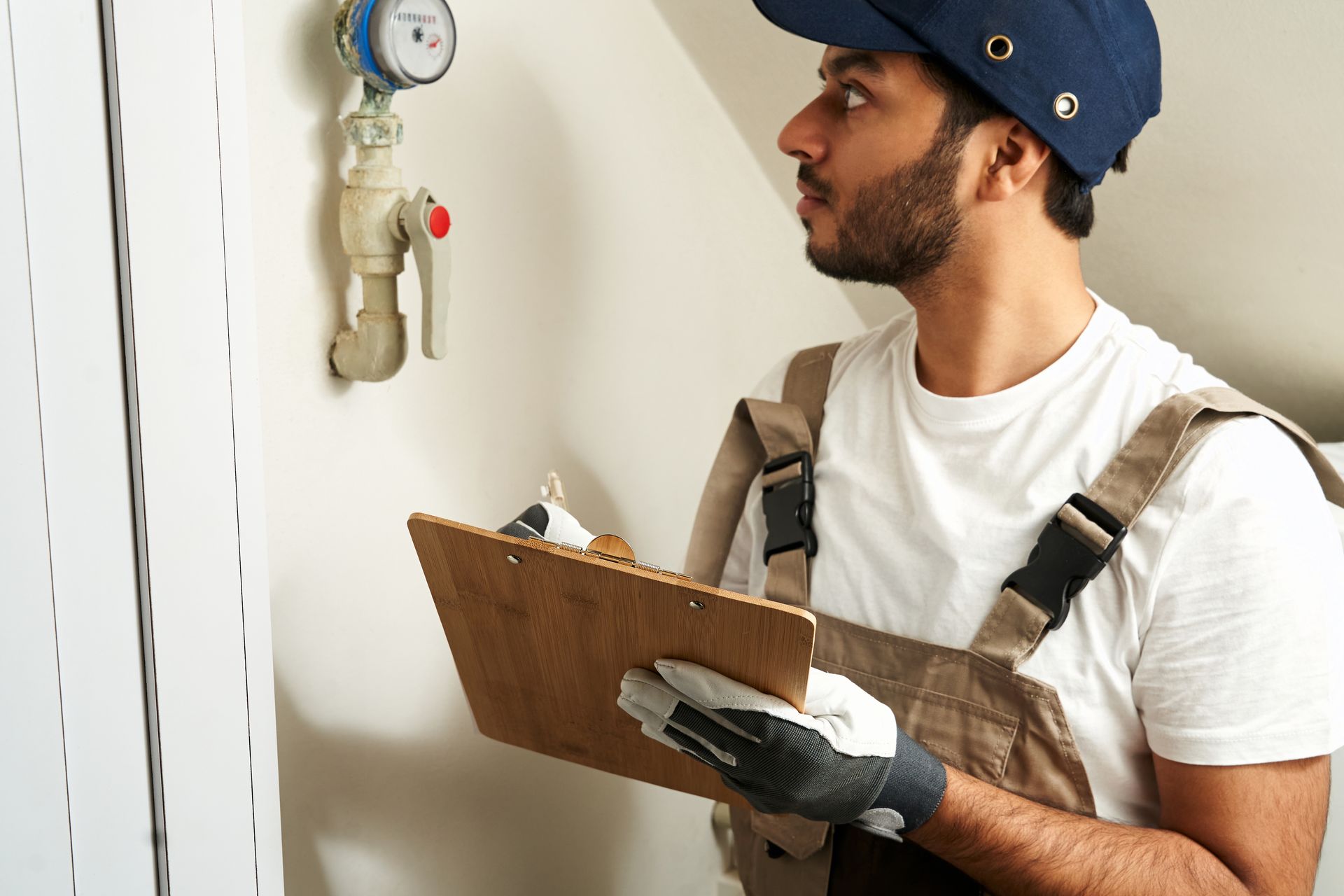
Our Emergency Response Promise
Paul Davis franchisees across Canada are ready to respond to your property damage, 24/7.
We'll contact you within 30 minutes of your call
We’re onsite within hours
We document your process thoroughly
We serve you with empathy and concern for your situation
