

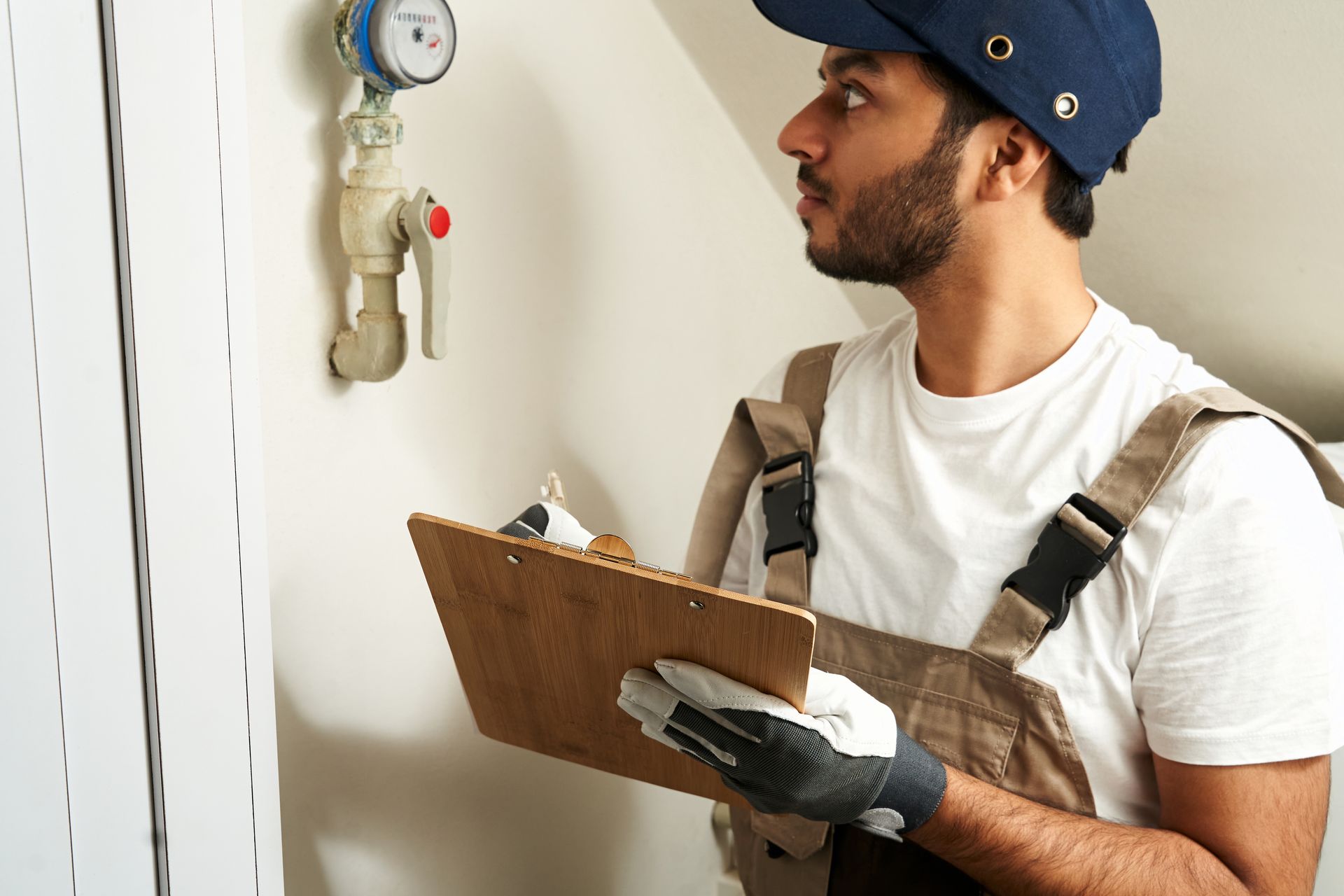
When your basement is flooded or your kitchen is full of smoke, it is tempting to hire whoever can show up fastest. But restoration certifications exist for a reason: they tell you whether the technician in your home actually knows how to stop the damage from getting worse. Not every company that advertises "restoration services" has invested in the training behind that word, and the gap shows up later, in the mould that returns or the floor that warps months after the crew leaves.
What Restoration Certifications Actually Mean
A restoration certification is proof that a technician completed standardized training in a specific type of property damage, passed an exam on it, and agreed to keep that knowledge current. The certifications that matter most in this industry come from the Institute of Inspection, Cleaning and Restoration Certification, known as the IICRC, an independent non-profit standard-setting body that has developed restoration and cleaning standards since 1972. It is not a government agency.
The IICRC does two connected things: it writes the technical standards the industry follows, and it certifies the technicians and firms trained to those standards. When you see letters like WRT or FSRT next to a technician's name, that is this credentialing system at work.
The Certifications You Are Most Likely to See
Water Damage Restoration Technician (WRT). The foundational water damage certification. It covers how to categorize water losses by contamination level, how temperature and humidity interact to dry a structure, and how to use moisture meters to find water hiding inside walls and under flooring, not just what is visible on the surface.
Applied Structural Drying (ASD). Builds on WRT with a deeper focus on the physics of drying: airflow, dehumidification, and how to sequence equipment so a structure dries evenly instead of drying on the surface while trapping moisture underneath.
Applied Microbial Remediation Technician (AMRT). Covers safe mould and sewage remediation, including how to contain a contaminated area so spores or pathogens do not spread to unaffected parts of the building during cleanup.
Fire and Smoke Restoration Technician (FSRT). Covers the technical side of fire and smoke recovery: how soot behaves differently on different materials, how to neutralize odour at the source rather than masking it, and how to sequence cleaning so restorable contents are not damaged further.
Technicians typically build these certifications in sequence, since several list WRT as a prerequisite. A technician with multiple current certifications has usually spent years accumulating that specific, hands-on expertise.
What Does IICRC Certified Actually Require
Passing the initial exam is only part of it. IICRC certification also requires continuing education on a multi-year cycle to keep the credential active. A technician who let their certification lapse is not being held to the same current standard as one who has kept it up, and restoration science keeps evolving: drying equipment, moisture-detection technology, and antimicrobial treatments have all changed significantly over the past decade.
The IICRC also publishes the reference standards the industry is built on, including the S500 standard for professional water damage restoration and the S520 standard for professional mould remediation. These documents spell out how a job should be assessed, documented, and completed. A certified technician is trained directly against these standards. An uncertified one may be improvising based on general contracting experience, which is a very different starting point when the job involves structural drying times, containment barriers, or air quality during mould removal.
How to Choose a Restoration Company
When you are vetting a restoration company, whether mid-emergency or ahead of time so you already know who to call, a few questions cut through the marketing quickly.
Ask which specific IICRC certifications the technicians on site actually hold, not just whether the company is "certified" in general. Ask whether the certification is current, since credentials can lapse. Ask how the company documents its work, since a properly trained technician takes moisture readings, photographs damage, and tracks drying progress as a matter of course. And ask what standard they are working to for your type of loss, water, fire, or mould, since a vague answer usually means the training is vague too.
A company that trains and certifies its technicians will answer these questions specifically and without hesitation, because the training is the product they are proud to sell.
Why This Leads to Safer, Faster Recovery
Certified technicians catch things an untrained eye misses. They know that a meter reading, not a hand on the wall, is what confirms a wall cavity has actually dried, and that closing it up on a guess is how mould gets its start. They know that soot from a plastic fire behaves differently than soot from a wood fire, and that treating them the same way can drive smoke odour deeper into porous materials instead of removing it. They know how long a structure needs to dry based on measured readings, not guesswork, which prevents the costly mistake of closing up walls and flooring too soon.
That expertise translates into fewer callbacks, fewer secondary problems like hidden mould, and a faster return to your pre-loss condition. It also matters for the claim itself: many insurers expect documentation that reflects recognized industry standards before approving the full scope of a restoration claim.
You Do Not Have to Handle This Alone
Property damage is stressful enough without wondering whether the crew in your home knows what they are doing. Paul Davis teams train to these industry standards, because that training is the difference between a repair that holds and one that needs to be redone. Across our 65+ locally owned locations, our teams bring that expertise to every water, fire, storm, or mould loss, wherever you are in Canada.
Paul Davis is ready with our Emergency Response Promise: we will contact you within 30 minutes of your call, we are onsite within hours, we document your process thoroughly, and we serve you with empathy and concern for your situation. Call 1-800-661-5975 or find your local Paul Davis, with 65+ locations across Canada.
Frequently Asked Questions
What does IICRC certified mean?
It means a technician has completed standardized training through the Institute of Inspection, Cleaning and Restoration Certification, passed an exam in a specific restoration discipline, and is expected to maintain continuing education to keep that certification current.
Is the IICRC a government body?
No. The IICRC is an independent, non-profit organization that sets restoration and cleaning industry standards. It is not a government agency, but its standards, such as S500 for water damage and S520 for mould remediation, are widely recognized by insurers and restoration professionals across Canada.
What is the difference between WRT and ASD certification?
WRT is the foundational water damage restoration certification, covering categorization of water losses and basic drying principles. ASD builds on WRT with more advanced training in the physics of structural drying, including airflow and dehumidification sequencing for more complex jobs.
Why does a certified water damage restoration technician matter for my insurance claim?
Many insurers expect documentation and drying practices that align with recognized industry standards before approving the full scope of a claim. A certified technician is trained to document readings and progress in the way adjusters expect to see.
How do I know if a restoration company's certifications are current?
Ask directly which certifications the technicians on your specific job hold and whether they are current, since IICRC certification requires periodic continuing education to remain active. A reputable company will answer this without hesitation.
Our Emergency Response Promise
Paul Davis franchisees across Canada are ready to respond to your property damage, 24/7.
We'll contact you within 30 minutes of your call
We’re onsite within hours
We document your process thoroughly
We serve you with empathy and concern for your situation
