

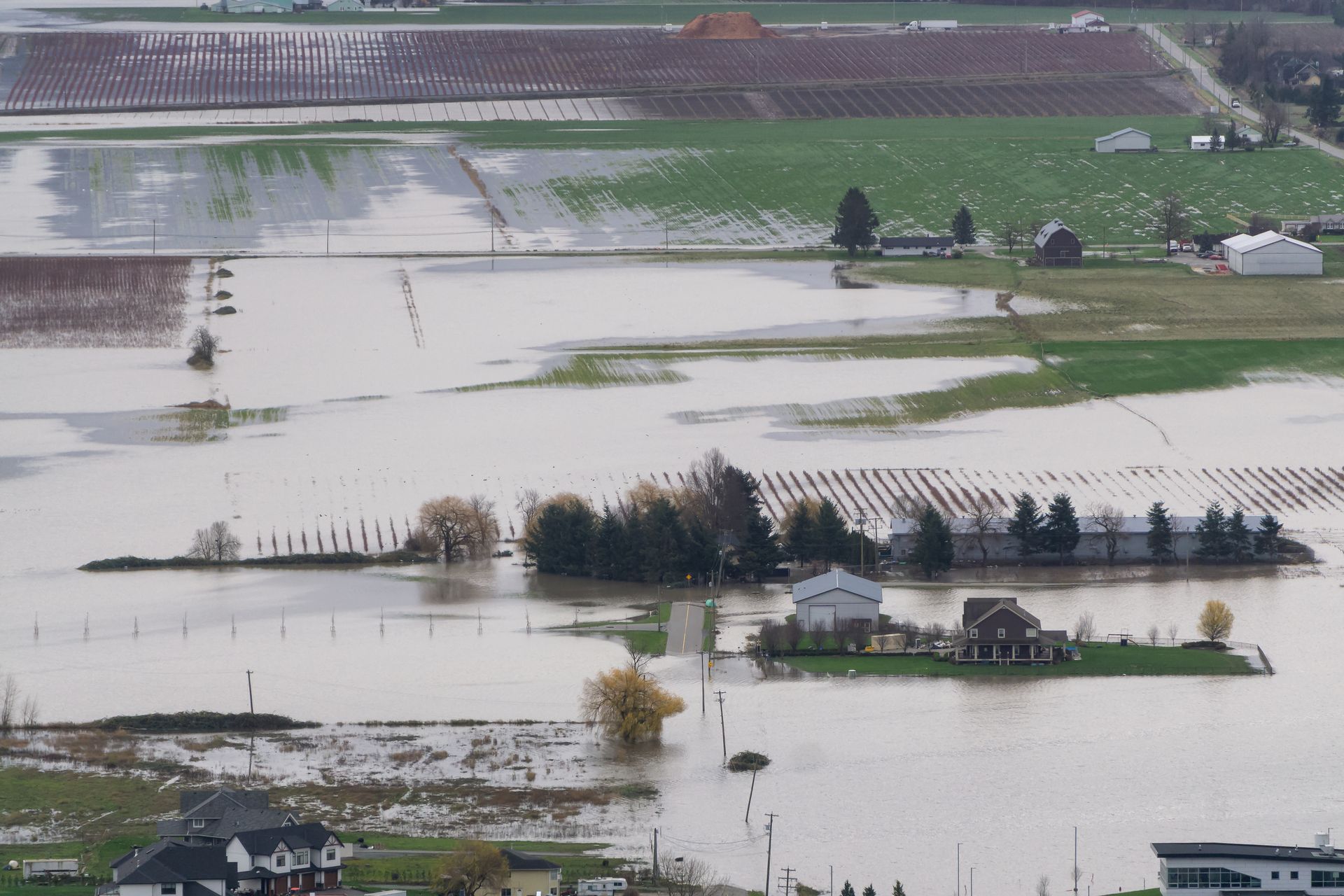
Flash floods give little warning. Knowing what to do during a flash flood — in the first minutes, not the first hours — can be the difference between a frightening night and a tragedy. Water can rise faster than you expect, so the moment conditions turn, your focus must be on people first and property second.
Flooding is Canada's most costly and frequent natural hazard, according to Public Safety Canada, and flash floods are among its most dangerous forms because they arrive so quickly. The steps below, drawn from federal emergency guidance, are listed in the order that matters most when the water is rising.
Get to higher ground immediately
Your first priority is to move yourself and everyone with you above the rising water. Head for higher ground and stay there. Get out of basements and away from low-lying areas, ravines, and underpasses, which fill fastest. Public Safety Canada's guidance is direct: even floods that look small can be deadly, and the safest response is to move away from the water entirely.
Treat any standing water as an electrical hazard. Stay out of water that could be in contact with outlets, cords, or your electrical panel. If you see sparks or hear buzzing or crackling from fixtures or appliances, leave the area at once.
Never walk or drive through floodwater
A vehicle is one of the most dangerous places to be in a flash flood. Floodwater is deeper and moving faster than it appears, and it takes only a surprisingly shallow, fast current to knock an adult off their feet or float a car. Do not drive through flooded roads or underpasses, and do not go around barricades — they mark water of unknown depth. If you are already driving and your vehicle stalls in rising water, abandon it and reach higher ground on foot if you can do so safely.
Shut off utilities — but only if it is safe
If you can reach your main electrical and gas shut-offs without standing in water, turn them off. This reduces the risk of electrocution and gas leaks as water rises. Never touch an electrical panel while standing in or near water. If the power was not shut off before the flooding began, do not attempt it yourself once water is present — wait, and have a qualified electrician confirm the home is safe before anyone re-enters.
Be ready to evacuate the moment you are told
When local authorities issue an evacuation order, leave right away. Ignoring it puts your household and rescuers at risk. Stay connected through Alert Ready, the WeatherCAN app, Environment and Climate Change Canada alerts, and local radio. Follow the routes officials specify and avoid shortcuts, which can lead into blocked or dangerous areas.
If you have a few minutes, take your emergency kit and the essentials:
- Medications, eyeglasses, and any medical devices
- Identification, insurance information, and some cash
- Phone and charger
- Important documents, or photos of them on your phone
- Supplies for children, seniors, and pets
Tell someone outside the area where you are going.
Document the damage — once you are safe
Only when you are out of danger, and only if it is safe to do so, begin recording what happened. Photograph or take video of the water level and the damage before any cleanup, because conditions change quickly. Note damaged belongings and keep receipts for emergency expenses. This record will support your insurance claim later, but it never comes before your safety.
Call in professional help
Floodwater rarely leaves clean damage behind. It can carry sewage and contaminants, soak into drywall and subfloors, and begin growing mould within a day or two. Once you are safe and authorities have cleared your return, professional restoration removes the water, dries the structure properly, and addresses contamination the eye cannot see — work that protects both your health and your home's long-term integrity.
Paul Davis is here when the water rises
A flash flood is overwhelming, and you do not have to face the cleanup alone. For nearly sixty years, Paul Davis has helped Canadians recover from water, fire, wind, and storms, with 65+ locally owned locations responding 24/7. When you call, we contact you within 30 minutes of your call, arrive on-site within hours, document your process thoroughly, and serve you with empathy and concern for your situation. If a flood has affected your home or business, call
1-800-661-5975 or find your local Paul Davis.

Our Emergency Response Promise
Paul Davis franchisees across Canada are ready to respond to your property damage, 24/7.
We'll contact you within 30 minutes of your call
We’re onsite within hours
We document your process thoroughly
We serve you with empathy and concern for your situation
