

Simple steps to keep your home safe, energy‑efficient, and worry‑free as winter unfolds.
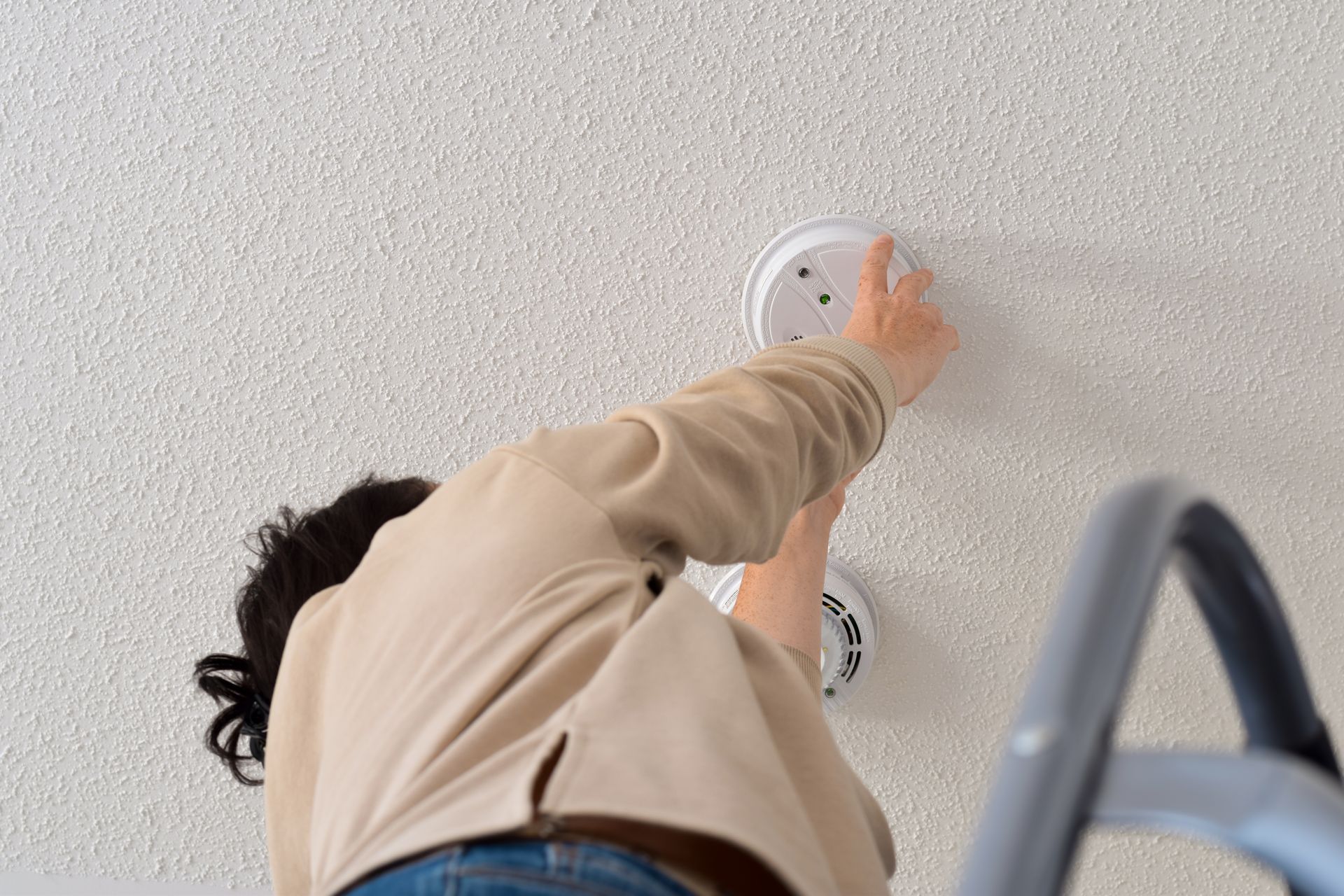
January is the perfect time to reset — not just your New Year’s goals, but your home safety routine. After the holiday rush and early winter storms, a few targeted checks can protect your family, reduce risk, and save on costly repairs later. This checklist focuses on the most current best practices for 2026.
Change and Inspect Furnace & Heat Registers
Cold weather means heavy furnace use. Replace your furnace filter every 1–3 months — but especially in January after holiday traffic. A clean filter improves air quality, boosts efficiency, and helps prevent system strain.
While you’re at it, vacuum vents and ensure nothing blocks airflow.
Test Carbon Monoxide and Smoke Alarms
Winter increases the risk of carbon monoxide (CO) buildup due to furnace and fireplace use.
- Test CO and smoke alarms this month.
- Replace batteries if your alarms aren’t hardwired with battery backup.
- Replace any unit older than 10 years.
These devices save lives — don’t overlook them.
Inspect Insulation & Drafts
Heat loss costs more than just comfort — it hits your wallet. Walk through your home and check for drafts around:
- Windows and doors
- Electrical outlets on exterior walls
- Attic access panels
Use weather stripping or insulation foam to seal gaps, and consider adding more attic insulation if older levels are low.
Clean and Check Gutters (If Accessible)
Even in winter, clogged gutters can trap ice and create ice dams that damage roofs. If it’s safe and ice‑free, clear debris now to keep melting snow draining properly later.
Inspect Sump Pump and Backup Power
January thaws and freeze‑thaw cycles can lead to basement water issues. Test your sump pump to make sure it runs smoothly. If you have a battery backup, check the battery’s condition — old batteries fail when you need them most.
Examine Exterior Water Lines & Outdoor Faucets
Frozen pipes start outside. Disconnect hoses and drain outdoor faucets. If you have shut‑off valves for exterior faucets, turn them off and drain the line to prevent freezing and bursting.
Check Emergency Supplies & Exit Routes
Winter weather can cause unexpected power outages or access issues. Confirm your emergency kit has:
- Flashlights & extra batteries
- A battery‑powered or crank radio
- Blankets and warm clothing
- Non‑perishable food & water
Review all exit routes from each level of your home and ensure they’re clear of snow and ice.
Review Home Insurance & Safety Documentation
A quick insurance review in January ensures you’re covered before winter damage strikes.
- Confirm coverage for burst pipes, ice dams, and storm damage.
- Store policies in a digital folder you can access from anywhere.
- Photograph and document valuable items for easy claims support.
Stay Ahead All Winter Long
These simple January checks help you reduce risk, lower heating costs, and keep your home running safely through the coldest months. A little attention now goes a long way in protecting your biggest investment — your home.
Need Help With Any Home Safety Tasks? Call Paul Davis
Whether it’s checking insulation, inspecting systems, or preparing for winter damage,
Paul Davis professionals can help. From preventive advice to emergency restoration services, we’re here to support you in every season — especially winter.
Contact your local Paul Davis team and start the year strong.
Our Emergency Response Promise
Paul Davis franchisees across Canada are ready to respond to your property damage, 24/7.
We'll contact you within 30 minutes of your call
We’re onsite within hours
We document your process thoroughly
We serve you with empathy and concern for your situation
